
713-863-9388
8101 Hempstead Road (I-10 at Washington) - Houston, Texas 77008
Posted on Google Google
Eleanor B profile picture
Eleanor B
Google star 1Google star 2Google star 3Google star 4Google star 5Trustindex verifies that the original source of the review is Google.
Motorcars Ltd-Central has fantastic service and can work until they find how to fix very complex problems to get my 16 year old Land Rover LR4 running flawlessly again. Highly recommended.
Posted on Google Google
Lina B profile picture
Lina B
Google star 1Google star 2Google star 3Google star 4Google star 5Trustindex verifies that the original source of the review is Google.
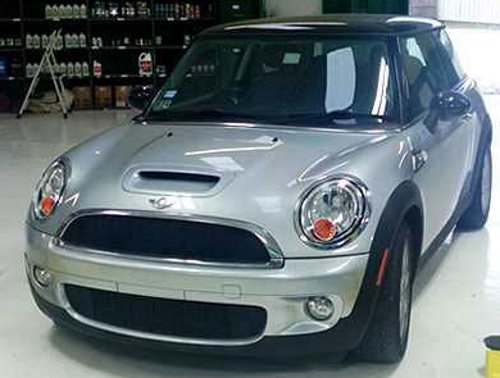
Best service. They keep my darling mini cooper up and running
Posted on Google Google
Joe L profile picture
Joe L
Google star 1Google star 2Google star 3Google star 4Google star 5Trustindex verifies that the original source of the review is Google.
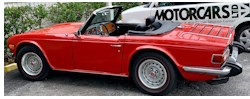
This is THE shop to bring your British Classic for repairs. My 1973 TR6 was really out of sorts. Repairing it was well beyond my skills...clutch and transmission work, plus a bunch of other issues. I got it to Kent's place as soon as I could. He and his team quickly diagnosed the problem areas and gave several options for me to consider. The cost estimates were transparent and well communicated. He and his team made several recommendations to ensure a better running car. I highly recommend this shop to anyone who needs minor or major repairs on a British Classic.
Posted on Google Google
J profile picture
J
Google star 1Google star 2Google star 3Google star 4Google star 5Trustindex verifies that the original source of the review is Google.
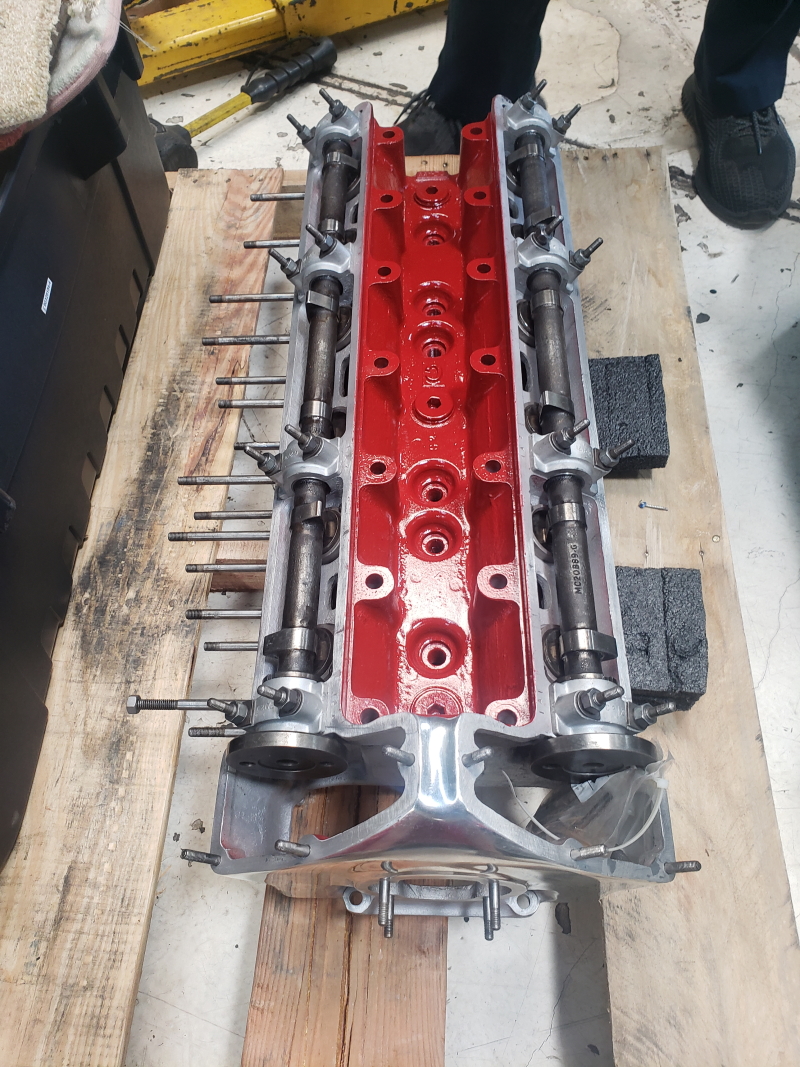
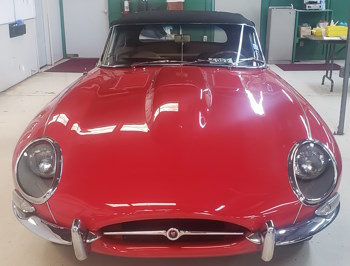
I cannot recommend Motorcars Ltd highly enough! My 1970 Jaguar XKE had been sitting sadly in my garage for years—beautiful lines, but the engine hadn't turned over in forever, fuel system gummed up, tires 33yrs old, and a long list of the usual classic Jag issues that make most mechanics politely back away. I brought it to Kent, Joe, and the team with low expectations, figuring at best they'd get it running "sort of" and I'd have to live with quirks. Instead, they brought my E-Type back to life like it just rolled off the line! The first time I turned the key and heard that legendary exhaust note fill the air—amazing. These folks aren't just mechanics—they're Jaguar enthusiasts. Fair pricing for the level of expertise, spotless communication, and the car looks and runs better than I ever hoped. If you have a classic (especially a finicky British icon like an XKE), do yourself a favor and bring it here. They don't just fix cars—they revive legends. My Jaguar is back on the road where it belongs, and I owe it all to this incredible team. Thank you for giving me back one of the greatest driving experiences on earth! I'll be back for every future service and already telling every car friend about you. 10/10, worth every penny.

Land Rover Series Vehicles

A look at the Beginning

In April of 1948, the Rover Company began production of a light agricultural and utility vehicle with an 80 inch wheelbase that had front and rear Power Take Off capability so that it could operate farm equipment if needed.

Using a 1.6 liter four cylinder gasoline engine and four speed transmission from a Rover P3 sedan, it incorporated a new two speed transfer box to provide an unusual four wheel drive that used a freewheeling unit that disconnected the front axle from the gearbox.

Along with a hand built aluminum body and steel box section frame, this new vehicle became what we know as the Series 1. There were several engine design changes along with increasing the wheel base to 86 inches in 1954. This was also the year that introduced the 107 inch wheel base truck body.
1955 saw the 107 five door Station Wagon with seating for up to ten, while the 86 inch Station Wagon could seat seven. The Series 1 was produced until the end of 1957.

1958 saw the debut of the Series II Land Rovers. Once again the wheel bases were stretched two inches, to 88 & 109 inches. Engines were either a 2.0 liter four cylinder diesel, or a 2.25 liter four cylinder petrol that made about 72 horse power.

The Series II continued until mid 1961 when once again, Rover makes a change!

The Series IIA model continued production through 1970, and during this time produced the majority of the four wheel drive vehicles sold in the world.

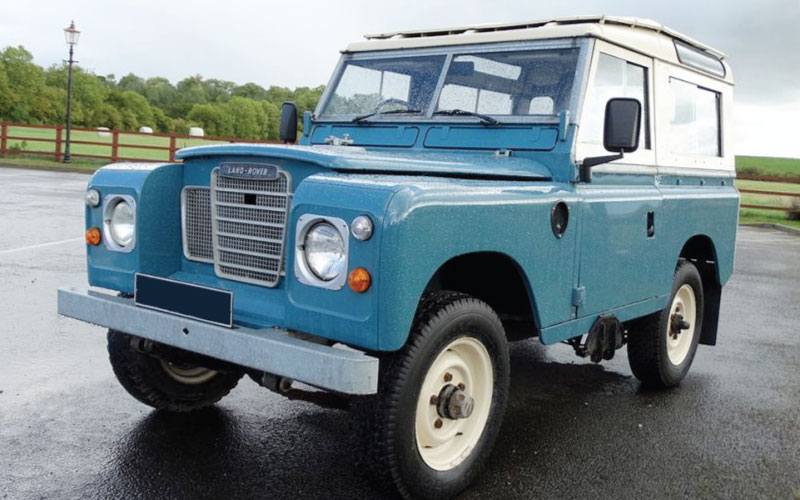
From 1971 until 1985 the Land Rover built over 440,000 Series III vehicles. For the most part the Series III had the same basic body and engine options as the previous Series IIA. But there were improvements.

Head lights were moved from the grille/breakfast to the wings/fenders. The metal mesh grill was replaced with a one piece plastic grille.

Compression on the 2.25 petrol increased from 7.1 to 8.1, and in later production saw both diesel and petrol engine receive five main bearings for smoother operation.

Larger drive axles and improved transmissions that featured full synchomesh in all four gears.
Then in 1979 the Stage 1 appeared.

Powered by a 3.5 liter V8 and the heavy duty LT95 gearbox, the Stage 1 was developed in direct competition with Japanese challengers from Toyota and Nissan.

The Stage 1 was a transitional vehicle, and paved the way for its coil sprung off-spring, the Defender in 1985.

Motorcars Ltd is Land Rover Qualified

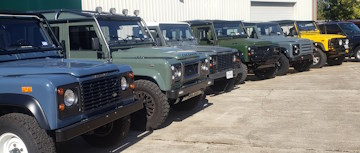
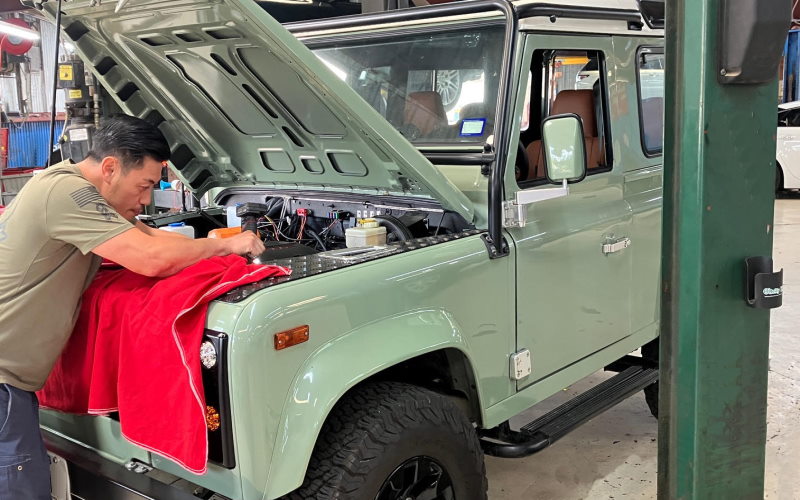
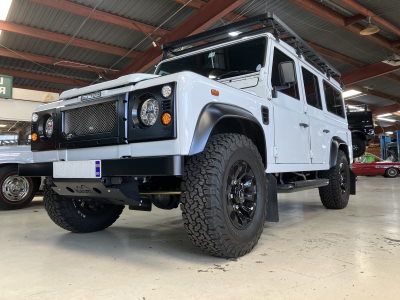
Motorcars Ltd is passionate about Land Rovers, from the first 1949 Series 1 all the way to the most current models.

Motorcars LTD is committed to the preservation, usage and enjoyment of these historic British marques and has dedicated the resources necessary to support Houston area car owners’ with access to highly skilled mechanical and repair services at our facility.