When There Are Questions On Work Performed – Comebacks
Every shop that does real work on real cars will, sooner or later, see a car come back. We call it a comeback: a vehicle that returns to us because of an issue connected to work we just performed. It’s different from a new, unrelated problem showing up, and it’s different from routine maintenance uncovering something separate that was always going to need attention. A comeback is specifically about the work we did — and whether it’s holding up the way it should.
Comebacks happen. That’s true at our shop, and it’s true at every good shop we know of, including the dealerships. What actually matters — what separates a shop customers trust for fifty-five years from one they never call again — isn’t whether a comeback ever happens. It’s how it’s handled when it does.
Why comebacks happen
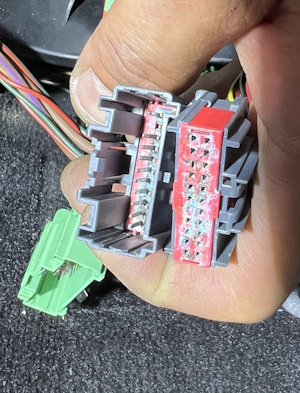
Modern Jaguars and Land Rovers are rolling computer networks. A single vehicle can carry a dozen or more electronic control modules talking to each other over multiple bus systems, and a fault in one system can show up as a symptom in a completely different one. Diagnosing that kind of problem isn’t guesswork — it’s methodical, skilled work, and it takes real time. Even with the right tools and the right experience, an intermittent electrical fault can hide during the exact window a car is in the shop and reappear a week later under conditions we didn’t get to replicate.
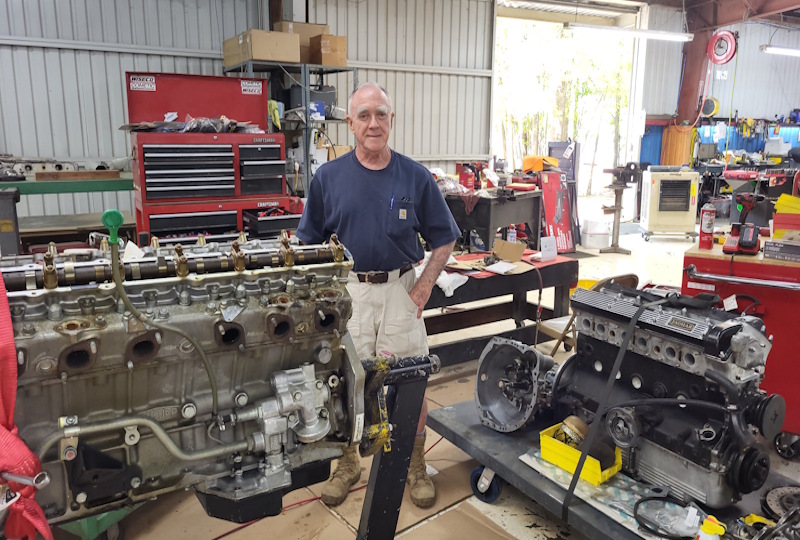
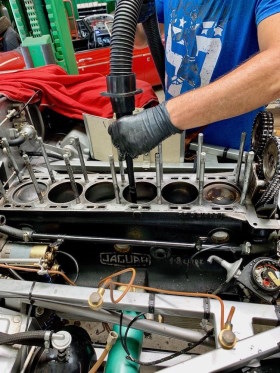
Classic British cars present a different version of the same challenge. A Jaguar XKE or a Triumph TR6 has had fifty or sixty years to develop its own particular quirks, prior repairs, and non-original parts layered in by however many owners and shops came before us. What we’re diagnosing isn’t just the car as it left the factory — it’s the specific history of that specific car.
There’s also a simpler, more honest reason comebacks happen sometimes: what was known at the time of the original repair isn’t always the same as what’s known once a car has been back on the road for a few weeks. A repair that correctly addressed the symptoms and the diagnostic evidence in front of us can still be followed by something new showing up — sometimes related, sometimes not. Figuring out which one it is, and being straight with the customer about that distinction, is the whole job.
Looking at it through the customer’s eyes
Before anything else, we try to see the car the way the customer sees it. They paid for a repair. They expected the problem to be resolved and to not think about it again. If they’re back in our lot sooner than that, what they’re experiencing — and what they’re sensing about the car, even if they can’t fully describe it — is real information, whether or not it turns out to trace back to our work. We take that seriously from the first phone call, not after we’ve had a chance to look at it ourselves.
That’s also why we don’t charge for a recheck, particularly when it’s something we just worked on. Asking a customer to pay again just to find out whether we did something wrong is backwards. The car comes back in, we look at it, and we figure out what’s actually going on before anyone talks about cost.
What happens next
Once the vehicle is back with us, it gets another review — the completed workmanship and the parts we used are both checked against what the original work order called for. The customer is notified of what we find, plainly and specifically, not in vague terms.
If we determine the issue is related to the repair or not, we call the customer and explain exactly what we found. Depending on what that is, the explanation takes one of a few forms:
-
It might be something we should have caught the first time — a specific point in the repair that didn’t fully resolve the underlying issue — in which case we say so and fix it.
-
It might be a part failure, in which case we make sure the warranty on that part and the labor is honored, no argument.
-
Or it might be something beyond the original scope of work — a separate issue that happens to produce the same or a similar symptom, which the original repair wouldn’t have addressed because it wasn’t part of what we were asked to fix, or what we could have identified at the time.
Whichever it is, the customer hears it straight, and the priority becomes getting them back on the road correctly.
Where we stand on it
We genuinely share the frustration of a customer who has to come back for something they thought was already resolved. Nobody likes revisiting a job, on either side of the counter. That frustration is exactly why resolving it becomes a priority in our workflow rather than something that waits in line behind everything else — a comeback moves to the front, because a customer with an unresolved problem shouldn’t have to wait as long as a customer with a new one.
Our warranty terms are laid out clearly and in full on our website at https://www.motorcars-service.com/terms-and-conditions/. If you ever have a question about how it applies to your vehicle, ask us directly — that’s a conversation we’re always glad to have.